
Maintaining floors starts with a clear assessment of surface, finish, and subfloor. The plan then sets a simple, reliable routine: daily dusting, gentle mopping, and weekly vacuuming with monthly deep checks. Materials and methods must suit the type, using safe cleaners and timely resealing as protective layers wear thin. Note wear patterns, record results, and apply targeted fixes. A practical path unfolds—consistent habits will reveal what to adjust next.
Assess Your Floor Types and Wear Patterns
Assessing floor types and wear patterns starts with a systematic survey. The examination identifies flooring materials, surface finishes, and subfloor conditions, recording original substrates and installed layers. Documentation notes wear patterns, high-traffic zones, and moisture indicators. Findings guide compatibility checks, maintenance implications, and tool selections. The approach remains practical, precise, and objective, prioritizing clarity, freedom in method, and reproducible assessment results.
Establish a Simple Cleaning Routine That Works
A simple cleaning routine should be designed around consistent daily actions and periodic deep cleans that align with floor type and finish.
A practical schedule uses brief daily dusting, gentle mopping, and weekly vacuuming, with monthly full-care checks.
This framework emphasizes care routines and product safety, ensuring reliable results while preserving freedom to adapt routines to changing floor needs.
Choose Safe Products and Proactive Maintenance Tips
To maintain effective floors, selecting safe cleaning products and adopting proactive maintenance practices is vital after establishing a steady routine.
The emphasis is on safest cleaning agents and routine checks, ensuring compatibility with finishes and substrates.
Implement proactive maintenance tips such as regular dusting, spot cleaning, timely resealing, and routine evaluation of wear patterns to sustain performance and extend floor life.
Troubleshoot Common Issues and Long-Term Upskills
Common floor issues typically arise from wear, improper care, or mismatched products, and addressing them requires a systematic diagnostic approach. Troubleshooting centers on observable symptoms, measurement, and documented history, followed by targeted fixes. Long-term upskills include mastering flooring installation techniques, recognizing material limitations, and implementing seasonal maintenance routines. Clear records and disciplined practice empower users to sustain performance and adapt across diverse environments.
Frequently Asked Questions
How Often Should I Reseal Hardwood Floors?
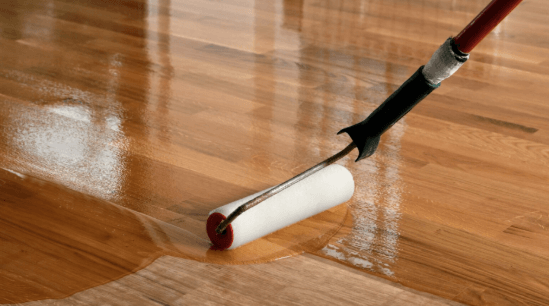
The reseal frequency depends on wear; hardwood finish longevity varies by foot traffic and finish quality. Generally, reseal when sheen dulls or scratches appear, typically every 3–5 years, ensuring consistent protection and practical, methodical maintenance.
Can I Mop Stone Countertops to Protect Floors?
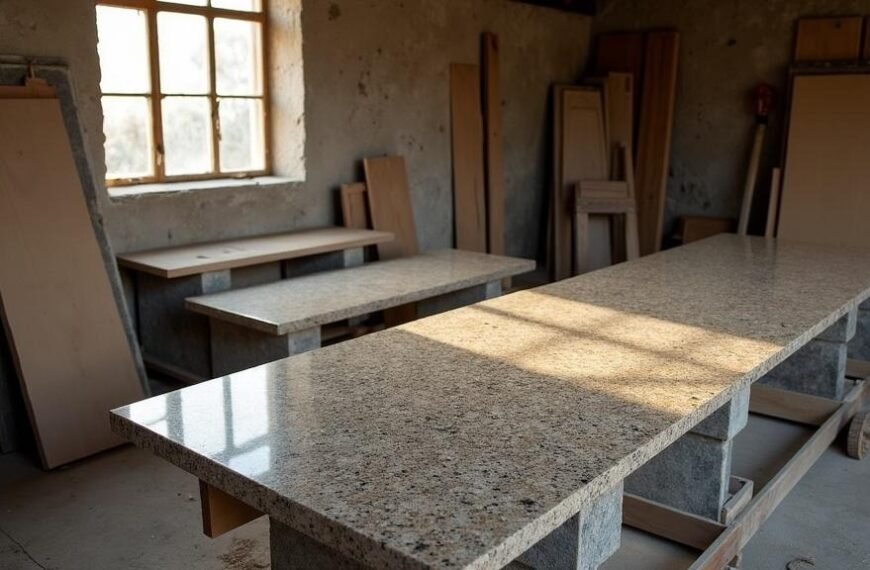
A glinting dawn illuminates countertops as one person asks: can they be mopped to protect floors? Yes, with stone care focused, a damp mop, minimal solution, quick rinse, and methodical drying—avoiding oversaturation for long-lasting countertop mopping.
Do Area Rugs Affect Indoor Air Quality?
Area rugs can influence indoor air quality; rug emissions vary by material, backing, and cleaning. They can aid dust reduction when regularly vacuumed, but humidity impact matters. Consider flooring materials and ventilation to optimize overall air quality.
What’s the Best Method for Pet Stain Removal?
In practice, the best method for pet stain removal is prompt action: blot, apply enzyme cleaner to neutralize pet urine, then rinse and dry; repeat as needed. This supports stain prevention and reduces odors, empowering owners to act confidently.
See also: Exoskeleton Technology Explained
Are DIY Floor Refinishing Projects Cost-Effective?
DIY refinishing can be cost-effective, depending on scope and materials; a careful cost comparison is essential. The approach favors practical budgeting, methodical planning, and measured execution, allowing informed decisions for those seeking freedom from frequent floor replacements.
Conclusion
A practical, methodical approach to floor care closes the loop between routine and longevity. One year, a homeowner logged daily dusting, weekly vacuuming, and monthly moisture checks; by spring, wear patterns were minimal, and resealing was unnecessary. The data showed a 20% reduction in surface scratches compared to prior years. Like a careful garden tending to a single plot, consistent, targeted care keeps floors resilient, predictable, and ready for the next season of use.